‏إظهار الرسائل ذات التسميات African. إظهار كافة الرسائل

الجمعة، 22 أبريل 2016

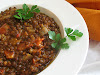
Ethiopian-Style Red Lentil and Okra in a Spicy Tomato Sauce

Ethiopian-Style Red Lentil with Okra in a Spicy Tomato Sauce

I haven't been posting much because I have been making recipes that have already been documented in this space. That said, I do have a recipe to present that has been sitting in my draft folder for quite a while. That's a shame, because it is a good one and not difficult to prepare either.

I'm especially fascinated with different cuisines and African food certainly stimulates the palate. This Ethiopian-style stew is spicy and tart yet mellowed out with the addition of silky okra, a vegetable I don't use as often as I should. High in nutrients and antioxidants, the taste is rather difficult to describe, but it does nicely fill out soups and stews and is often enjoyed breaded and fried.

Homemade berbere is a must here. It's of blend of chilies and aromatic spices that takes very little time at all to make up and it keeps well in a sealed glass jar for a good few months.

Green beans can been used in place of the okra is you please.

I served this dish with spiced teff cakes with sun-dried tomatoes but as with all Ethiopian vegetable dishes it would go also go well with injera bread, a spongey sourdough bread made with teff flour.

red lentil orka stew with teff cakes

Ethiopian-Style Red Lentil and Okra in a Spicy Tomato SauceEthiopian-Style Red Lentil and Okra in a Spicy Tomato Sauce
Recipe by
Adapted from Teff Love: Adventures in Vegan Ethiopian Cooking
Cuisine: Ethiopian
Published on April 22, 2016

Red lentils and okra simmered in a simple, spicy and aromatic Ethiopian-style tomato sauce

Print this recipePrint this recipe

Ingredients:
  • 1 cup dried red lentils
  • 5 cups water
  • 2 tablespoons olive oil
  • 1 red onion, diced
  • 2 cloves garlic, minced or crushed
  • 1-inch fresh ginger, grated or minced
  • 1 1/2 cups fresh or frozen okra, sliced into 1/2-inch pieces
  • 1 large tomato, diced
  • 1/2 teaspoon ground cumin
  • 1/2 teaspoon ground cinnamon
  • 1/4 teaspoon ground nutmeg
  • 1/4 teaspoon ground cardamon
  • 1/8 teaspoon ground cloves
  • 3 tablespoons berbere powder
  • 1 tablespoon paprika
  • 1 teaspoon sea salt, or to taste
  • fresh cracked black pepper, to taste
Instructions:
  • Rinse the lentils and add to a large heavy-bottomed saucepan. Pour in the water and bring to a boil over high heat. Reduce heat to medium and simmer, uncovered, for 10 minutes or until the lentils are cooked but still retain some firmness. Drain, reserving the cooking liquid, and set aside.

  • Wipe the saucepan dry. Add the oil and heat over medium-high heat. When hot, add the onion and sauté for 5 minutes or until softened and slightly browned on the edges. Toss in the garlic and ginger and stir for another minute.

  • Add the okra, tomato, cumin, cinnamon, nutmeg, cardamon and cloves, and stir well to combine. Reduce the heat to medium, cover, and simmer for about 10 minutes, stirring often, until the okra has started to soften. Stir in the berbere and paprika, increase the heat to high and add 2 cups of the reserved lentil cooking liquid. Bring to a boil, reduce heat to medium-low, cover, and simmer, stirring often, until the orka is tender, about 10 more minutes.

  • Stir in the lentils and a bit more of the reserved cooking liquid if necessary to thin the sauce. Cover and simmer for 5 to 8 minutes, stirring occasionally, until the sauce has thickened. Season with sea salt and black pepper.

  • Serve hot.

Makes 6 servings

Ethiopian-Style Okra with Lentils

I'm sharing this with Jacquline's weekly Meat Free Mondays event.

Other African recipes to try from Lisa's Vegetarian Kitchen:
Chickpea Patties Smothered in Vegetable Gravy
Mixed Vegetables in a Basic Ethiopian Kulet Sauce
Ethiopian-Style Hummus
Vegetarian Harira (Moroccan Chickpea and Lentil Stew)

السبت، 3 أكتوبر 2015

Spiced Teff Cakes with Sun-Dried Tomatoes

spiced teff patties

With my recent forays into Ethiopian cooking, I've become interested again in revisiting teff for the first time in many years.

Teff
Teff has been the staple grain of Ethiopian cooking for thousands of years but is relatively unknown to the rest of the world except through the sourdoughed teff flour flat bread called "injera" that is served in every Ethiopian restaurant. But it is available in larger grocers and in health food stores from brands such as Bob's Red Mill. And its obscurity certainly doesn't hide its unique qualities. So very tiny that its name actually translates as "lost", it has a rich brown color and a much more robust earthy and nutty flavor than any other grain. And it's a nutritional gluten-free powerhouse of protein, calcium, iron and fiber.

Teff has a thick, chewy and gritty polenta-like consistency when cooked up and makes for a distinctive — and healthy — breakfast porridge. But on the dinner table, its robust flavor makes it less a platform for seasonings and vegetables than other grains and more of the starring flavor. So teff is a perfect vehicle for making savory cakes like the kind I like so much. Combined with Ethiopian spices, chilies, sun-dried tomatoes and a raw cashew paste, this thick cooked grain molds into burger-size patties that can be baked or fried for a bold tasting side dish that might just turn out instead to hog the spotlight on your dinner table.

teff patties with okra

Spiced Teff Cakes with Sun-Dried TomatoesSpiced Teff Cakes with Sun-Dried Tomatoes
Recipe by
Cuisine: Ethiopian
Published on October 3, 2015

Hearty spiced savory cakes made with Ethiopian teff and berbere spice — serve baked or fried for a unique, nourishing and robust flavored dinner side

Print this recipePrint this recipe

Cakes:
  • 3 1/4 cup water or vegetable stock
  • 2/3 cup nutritional yeast, divided
  • 1/2 teaspoon turmeric
  • 1 to 2 cloves garlic, minced and divided
  • 1 cup whole grain teff
  • 1/2 to 2/3 cup red onion, diced
  • 1 to 2 jalapeños, seeded and finely chopped
  • 6 sun-dried tomatoes, soaked in hot water for 30 minutes, drained and chopped
Cashew paste:
  • 3 tablespoons flax seed
  • 1/3 cup raw cashews, soaked in hot water for 1 hour and drained
  • 1/4 cup almond or hemp milk, or more as needed
  • 2 tablespoons coconut oil
  • 1 tablespoon berbere spice
  • 2 teaspoons ground cumin
  • 1/2 to 1 tablespoon paprika, to taste
  • 1 1/2 teaspoons sea salt
Instructions:
  • In a large heavy-bottomed saucepan, bring the water or stock, 1/3 cup of the nutritional yeast, turmeric and half of the garlic to a boil. Slowly pour the teff into the water, whisking. Reduce the heat to low and cook uncovered, stirring frequently and scrapping the bottom of the pan to ensure the teff doesn't stick, for about 25 minutes until the liquid is absorbed. Remove from the heat and set aside for 5 minutes.

  • While the teff is cooking, make up the paste. In a small blender or food processor, grind the flax seed. Then add the the cashews, almond or hemp milk, coconut oil, berbere, cumin, paprika and salt. Process until a thick paste is formed. Add a little more almond or hemp milk if it is too thick to blend.

  • Transfer the cooked teff to a large bowl. Stir in the remaining nutritional yeast, garlic, red onion, jalapeños, sun-dried tomatoes and cashew paste. Mix until well combined. Let cool to room temperature, then cover and refrigerate for at least 5 hours or preferably overnight.

  • Shape the mixture into 2-inch patties. If the mixture seems to moist, stir in a few tablespoons of chickpea flour.

  • To fry the cakes, heat a few tablespoons of oil in a large skillet over medium-high heat. When hot, add a few of the cakes to the pan, taking care not to overcrowd the pan. Fry for about 5 minutes until golden brown then flip and fry for another 4 minutes. Drain on paper towels and repeat until all the cakes are cooked.

  • To bake the cakes, line a baking sheet with parchment paper and preheat an oven to 375°. Place the cakes on the prepared sheet and bake for about 20 minutes until the cakes begin to brown. Carefully flip and bake for another 15 to 20 minutes until golden brown on both sides. Remove from the oven and let sit for another 10 minutes before serving.

Makes 10 2-inch cakes

spiced teff cakes

Other patties and burgers to enjoy from Lisa's Vegetarian Kitchen:
Potato Patties Stuffed with Spiced Green Peas (Aloo Matar Tikki)
Sweet Potato and Chickpea Patties with Avocado and Tomato Salsa
Chickpea Patties Smothered in Vegetable Gravy
Nigerian Black-Eyed Pea Patties with Pilipili Sauce

On the top of the reading stack: The Chickpea Flour Cookbook: Healthy Gluten-Free and Grain-Free Recipes to Power Every Meal of the Day

الخميس، 23 يوليو 2015

Mixed Vegetables in a Basic Ethiopian Kulet Sauce

Mixed Vegetables in a Basic Ethiopian Kulet Sauce

If I were to host a dinner party with friends, Ethiopian might just be my first choice, next to Indian cuisine of course. What is so refreshing about both cuisines is that it really is a communal dining experience. If there enough dishes on the table, everyone gets to try some of each.

I've only been to Ethiopian restaurants a small number of times, but it's always been a unique and pleasurable experience. Typically the diners are presented with an array of dishes of their choosing, served over a large round of injera bread (a spongey sourdough bread usually made with teff flour). You scoop up bits of the dishes with parts of the bread and can try whatever suits your fancy.

Having Indian meals with friends is very much enjoyable for much the same reason. Order more dishes and have a taste of everything, alongside rice and savory flat breads.

I cooked up this simple dish of mixed vegetables simmered in a hot, tangy and fragrant Ethiopian tomato and berbere spice sauce and served it up with some Ethiopian-style hummus and injera bread.

Mixed Vegetables in a Basic Ethiopian Kulet Sauce

Notes: Feel free to use any variety of mixed vegetables on hand. Just remember to add the vegetables that cook quicker later on in the cooking process. You can even add cooked beans if you like. Kulet is a basic sauce that goes well with so many different foods.

Mixed Vegetables in a Basic Ethiopian Kulet SauceMixed Vegetables in a Basic Ethiopian Kulet Sauce
Recipe by
Adapted from Teff Love: Adventures in Vegan Ethiopian Cooking
Cuisine: Ethiopian
Published on July 22, 2015

Mixed vegetables cooked in a hot, tangy and aromatic Ethiopian tomato and spice sauce

Print this recipePrint this recipe

Ingredients:
  • 1 tablespoon olive oil
  • 1 small red onion, finely chopped
  • 1 to 2 cloves garlic, minced or crushed
  • 1-inch piece ginger, minced or grated
  • 2 to 3 tablespoons berbere powder, to taste
  • 1 tablespoon paprika
  • 1 teaspoon ground coriander
  • 1/4 teaspoon ground cardamom
  • 1/4 teaspoon ground cinnamon
  • 1/8 teaspoon ground cloves
  • 1 tomato, diced
  • 1 teaspoon sea salt, or to taste
  • 6 cups mixed chopped vegetables (I used a large potato, diced, 2 medium carrots, cut into strips, a generous bunch of green beans, cut into 1-inch pieces, and 8 oz (225 g) button mushrooms, sliced)
  • 1 1/2 cups water or vegetable stock
  • 1/4 teaspoon fresh cracked black pepper, or to taste
Instructions:
  • Heat the oil in a large saucepan over medium-high heat. When hot, add the onion and sauté until softened and it begins to turn golden on the edges. Toss in the garlic and ginger and stir for another few minutes. Add the spices, stir for about 30 seconds until fragrant, and then add the tomato and salt. Reduce the heat slightly and simmer for another 3 to 5 minutes until the tomato is thickened but still chunky.

  • If using potato or carrots or other root vegetables, add these and pour in the water or vegetable stock. Bring to a boil, cover, reduce heat to medium-low, and simmer until the potatoes and carrots are just tender, stirring occasionally — about 15 minutes. Add the green beans and mushrooms or any other vegetables you are using, and continue to simmer until everything is tender, roughly another 10 minutes or so. Add more water of stock if the sauce is too thick.

  • Serve this dish anyway you please, over cooked grains or injera bread, or along with slices of avocado. The possibilities are endless.

Makes 4 to 6 servings

mixed vegetables in a basic Ethiopian sauce

Other mixed vegetable dishes to try from Lisa's Vegetarian Kitchen:
Mixed Vegetable and Avocado Salad with Almond Herbed Flatbreads
Miso Noodle Soup with Mixed Vegetables and Paneer
Indian Mixed Vegetable Soup - Contemporary Style
Chickpea Mixed Vegetable Poriyal

On the top of the reading stack: Vegan Richa's Indian Kitchen: Traditional and Creative Recipes for the Home Cook

الاثنين، 20 يوليو 2015

Ethiopian-Style Hummus

Ethiopian-Style Hummus

Hummus is a delight any time of year, but when it's hot outside it appears much more often because it's so quick and easy to make and a pleasure to enjoy on the patio on a lazy day. This particular recipe was a bit different as it has an Ethiopian twist. I made up a homemade batch of a hot and aromatic spice blend, berbere, that is often the key ingredient in Ethiopian cooking. I don't have a lot of experience with Ethiopian cuisine, but my background in Indian cooking certainly made the introduction easier than expected.

Berbere is spicy, but not overly so. It adds a distinctive blend of chili and aromatic spice flavor to this hummus. But it's not just the berbere that gives this hummus a unique taste. Classic hummus is made with tahini in addition to chickpeas, but this version uses toasted ground sunflower seeds ground to a butter instead of tahini. The sunflower seeds provide a wonderful rich nutty flavor behind the hot and fragrant berbere.

The inspiration was a recent cookbook that I am happy to add to my expanding collection. Teff Love: Adventures in Vegan Ethiopian Cooking by Kittee Berns is certainly an inspiration with a vegan approach besides. I have made only a few recipes from the book thus far, but already I have bookmarked a great deal of ideas. I've always wanted to make my own injera bread — a sourdough spongy crêpe that is the foundation of most Ethiopian meals. It is most commonly made with teff flour. I was surprised to note that teff doesn't figure all that much in this book, except as flour and in the bread that serves as the platform for so many of the dishes, but that tiny grain has so much flavor that is best served on the side or used as a flour. Nonetheless, my overall reflection on this book is yum. Basics, entrées and even a few desserts are featured along with some fine photos selectively inserted. Overall, the book is inspiring, with helpful tips for those that are new to Ethiopian cuisine. There are enough healthy recipes in the book to keep me going for a long time and not enough time in a day to cook up the Ethiopian feast I dream of.

Note: I received a copy of this book for possible review. As always, the opinions expressed here are my own.

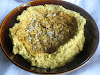
African inspired hummus

Ethiopian-Style HummusEthiopian-Style Hummus
Recipe by
Adapted from Teff Love: Adventures in Vegan Ethiopian Cooking
Cuisine: Ethiopian
Published on July 20, 2015

An Ethiopian-style chickpea and berbere hummus with a rich nutty flavor from ground roasted sunflower seeds

Print this recipePrint this recipe

Ingredients:
  • 3/4 cup dried chickpeas (2 1/4 cups cooked)
  • 1/2 cup raw (or roasted and unsalted) sunflower seeds
  • 1 teaspoon sea salt, or to taste
  • 1/3 cup water
  • 1 tablespoon olive oil + more for garnish
  • 1 clove garlic, minced
  • zest from 1 lemon (1 teaspoon)
  • juice from 1 lemon (3 tablespoons)
  • 1 1/2 teaspoons berbere powder + more for garnish
  • 1 green chili, seeded and finely chopped
Instructions:
  • Rinse the chickpeas and soak for 8 hours or overnight in several inches of water. Drain and rinse, then transfer to a medium saucepan and cover with fresh water. Bring to a boil, reduce heat to medium-low, cover, and simmer until the chickpeas are tender — 1 to 1 1/2 hours. Drain and set aside until cool.

  • If using raw sunflower seeds, toast them in a dry unoiled skillet or saucepan over medium heat, stirring often, until they are golden — about 5 minutes. Remove from heat and transfer to a food processor, setting aside a teaspoon or so for garnish. (If using roasted sunflower seeds, skip the toasting step and transfer directly to the food processor.) Process until the seeds are reduced to a fine powder and begin to release their oil, scraping down the sides of the bowl often. This should take about 5 minutes, or a little longer. Essentially the goal is to reduce the seeds to a butter.

  • Add the chickpeas and salt and process until the mixture comes together. Add the water, 1 tablespoon of olive oil, garlic, lemon zest, lemon juice, berbere powder and chili. Process further until everything is well combined, adding a bit more water or oil as desired.

  • Mix another few teaspoons of olive oil with a pinch or two of berbere powder.

  • Transfer to a serving bowl and make a well in the center of the hummus. Drizzle in the oil and berbere mixture and garnish with the reserved toasted sunflower seeds.

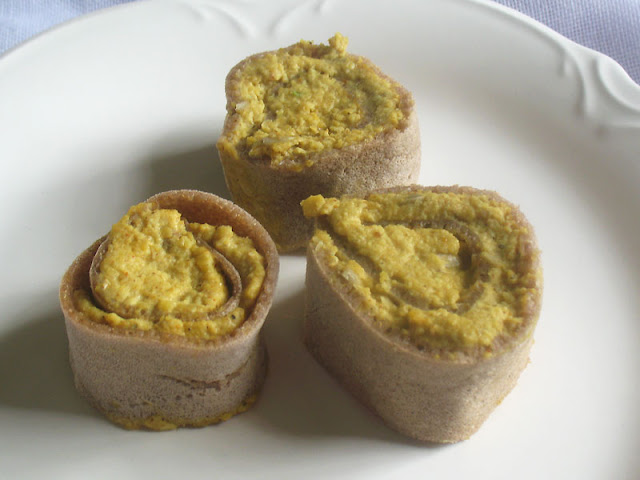
  • Serving possibilities are endless. You can scoop it up with flat breads, lightly baked pita breads or fresh raw vegetables. Or you may want to consider serving the hummus up in pinwheels. To do that, lightly toast classic injera bread in a preheated 300° oven for about 8 to 10 minutes until the edges are slightly crispy. Brush the bread with olive oil mixed with a 1/2 teaspoon berbere powder and cut into strips. Spread hummus over the strips, roll them up tightly, and cut them into bite-size rounds.

Makes 4 to 6 servings

hummus pinwheels

More hummus recipes from Lisa's Vegetarian Kitchen:
Avocado Chickpea Hummus
Spicy Indian-Style Hummus
Marinated Sun-Dried Tomato Hummus with Olives
Lemony Basil Hummus

الجمعة، 10 يوليو 2015

Berbere (Ethiopian Spice Blend)

Berbere (Ethiopian Spice Blend)

Whenever possible, I make my own spice blends. There is just no comparison between store-bought blends and the freshness and vibrancy of ones that you can easily whiz up in your own kitchen. They keep well for months in a well-sealed jar in a dark and dry place. Recently I received a copy of Teff Love: Adventures in Vegan Ethiopian Cooking by Kittee Berns that is all about Ethiopian cooking, with a vegan approach. Berbere is a fairly spicy and wonderfully aromatic spice blend that is central to Ethiopian cuisine — indeed, the foundation of so many Ethiopian dishes — so I made up this colorful spice blend up before even cooking from the book. That will come soon, as I picked up a fresh bag of teff and it has always been one of my favorite grains. Regrettably, I haven't eaten it for sometime now, but armed with this new book and this spice blend, I'm looking forward to trying some of the recipes.

Oddly enough, the book did not include a recipe for the spice blend, so after doing some research, I came up with my own version with ingredients that many cooks will already have on hand in their pantry. If not, if you live in an urban centre, everything that is included can easily be found at Indian and Asian grocery stores, or online if there is not somewhere nearby to obtain the spices.


Berbere (Ethiopian Spice Blend)Berbere (Ethiopian Spice Blend)
Recipe by
Cuisine: Ethiopian
Published on July 10, 2015

A colorful, hot and aromatic spice blend that is the basis for many classic Ethiopian dishes

Print this recipePrint this recipe

Ingredients:
  • 2 teaspoons coriander seeds
  • 1 1/2 teaspoons cumin seedss
  • 1/2 teaspoon fenugreek seeds
  • 1/2 teaspoon ajwain seeds
  • 1/2 teaspoon nigella (kalonji or black onion) seeds
  • seeds from 3 green cardamon pods
  • seeds from 2 black cardamon pods
  • 4 whole cloves
  • 5 dried whole red chilies, broken into bits
  • 3 tablespoons paprika
  • 1 teaspoon turmeric
  • 1/2 teaspoon nutmeg
  • 1/2 teaspoon ground ginger
  • 1/2 teaspoon ground cinnamon
  • 1/4 teaspoon cayenne
Instructions:
  • In a dry unoiled heavy non-stick skillet, dry roast the coriander seeds, cumin seeds, fenugreek seeds, ajwain seeds, nigella seeds, cardamon seeds, cloves and chilies for about 3 minutes, stirring often, until fragrant. Let cool.

  • In a spice grinder or small food processor, mix the seed mixture with the paprika, turmeric, nutmeg, ginger, cinnamon and cayenne. Process until everything is reduced to a fine powder.

  • Store in an air-tight glass jar in a dark dry space for up to 6 months for optimal freshness.

Makes 6 to 8 tablespoons

Other homemade spice blends you are sure to want to include in your pantry:
Chaat Masala
Curry Powder
Garam Masala
Sambar Powder

السبت، 22 فبراير 2014

Peanut Butter Rice

peanut butter rice

As much as I enjoy a simple pot of fresh cooked and buttered white rice to go along with my meals, I'm always on the hunt for other quick and easy ideas for rice. That's why I zoomed in almost immediately upon this ridiculously simple but wonderfully inventive recipe for peanut butter rice when I recently received a copy of A Taste of Tanzania: Modern Swahili Recipes for the West by Miriam Rose Kinunda. Why had I never thought of this before? Just stir in some natural peanut butter and salt into the rice cooking water, and you've got a pot of delicately flavorful rice that not only adds a little protein to your dinner but also quite nicely tempers the heat of a spicy curry if you happen to be serving one. This easy idea is in my permanent repertory of rice dishes now. I'm interested to try it with other nut butters like almond or cashew, but I do find that the peanut butter has a much more pronounced taste that will go along with other stronger flavored meals.

I am quite charmed by A Taste of Tanzania and consider myself quite fortunate to have received it. This collection of "Modern Swahili Recipes for the West" is a gem indeed.


Peanut Butter RicePeanut Butter Rice
Recipe by
Adapted from A Taste of Tanzania: Modern Swahili Recipes for the West
Cuisine: African
Published on February 22, 2014

Simple and delicately flavorful rice cooked with peanut butter — great for serving with spicy curries

Print this recipePrint this recipe

Ingredients:
  • 1 1/2 cups white basmati rice
  • 2 1/2 cups water
  • 1/3 cup natural peanut butter
  • 1 teaspoon sea salt
Instructions:
  • Thoroughly rinse the rice under cold running water. Let the rice air dry in the strainer for 15 to 20 minutes, tossing the grains occasionally.

  • In a medium saucepan, stir the peanut butter and salt into the water. Bring to a boil. Add the rice, turn the heat down to low, cover, and simmer undisturbed for 15 to 20 minutes or until the water is absorbed. Remove from heat and let stand for 5 minutes.

  • Fluff with a fork and serve hot or warm.

Makes 6 to 8 side servings

African peanut butter rice

Other rice dishes you are sure to enjoy from Lisa's Vegetarian Kitchen:
Brown Rice and Quinoa Cakes with Parmesan
Cracked Black Pepper Rice
Indian Yellow Rice
Mushroom Risotto

On the top of the reading stack: Rawsome Vegan Baking: An Un-Cookbook for Raw, Gluten-Free, Vegan, Beautiful and Sinfully Sweet Cookies, Cakes, Bars & Cupcakes by Emily von Euw

Audio Accompaniment: Erot

الاثنين، 23 سبتمبر 2013

French Lentil Tomato and Harissa Stew

french lentil tomato stew

Lentils are the perfect solution for what I call "mid-week meals" when you need a fast and bother-free weekday dinner without giving up taste and nutrition. This is especially true on those days when I haven't planned ahead, because — unlike whole beans which require at least several hours of soaking before cooking — lentils don't have to be soaked at all or need only a couple of hours of soaking to speed up what is already a short cooking process. They're also extraordinarily versatile and can be prepared or paired with almost any number of other ingredients and flavors.

I'm especially fond of the Puy or French lentils that hold their shape when cooked - these beautiful dark green and blue speckled little pearls are especially attractive and toothsome in a soup. Their earthy and peppery flavor combines beautifully with tangy fresh tomatoes and spices, as with this quick and easy thick, nourishing and delicious stew made with lentils, tomatoes and harissa, the classic North African chile, garlic and cumin condiment. It's perfect if you have harissa on hand, whether store-bought or homemade. In fact, I used some leftover green harissa made with fresh jalapeños instead of dried red chiles that I had prepared to serve with some baked chickpea koftas earlier in the week! Delicious, but any variety of harissa will make this stew a savory delight … just adjust the amount of harissa to suit your preferences.

Five minutes of preparation and 20 to 30 minutes of easy fuss-free cooking time is all that this stew takes from start to finish. Feel free to dispense with the short 2-hour lentil soaking time in the instructions if you're in a hurry, and just add an extra 1/2 cup or so of water and let the lentils cook for an extra 10 minutes. Ordinary green or brown lentils may be used if you cannot find French lentils, although more care needs to be taken to make sure that the lentils do not turn any more mushy than necessary.

French Lentil Tomato and Harissa StewFrench Lentil Tomato and Harissa Stew
Recipe by
Cuisine: Mediterranean
Published on September 23, 2013

Quick and easy, this thick, hearty and nourishing French lentil and tomato stew is seasoned with harissa, the classic and distinctive fiery chile, garlic and cumin condiment from North Africa

Print this recipePrint this recipe

Ingredients:
  • 2/3 cup French or Puy lentils
  • 1 tablespoon olive oil
  • 1 shallot or small onion, chopped
  • 1 clove garlic, minced or crushed
  • 1 teaspoon ground coriander
  • 1 teaspoon ground cumin
  • 1/4 teaspoon dried thyme
  • 3 medium tomatoes, chopped
  • 1/4 teaspoon turmeric
  • 1/2 teaspoon paprika
  • 1/2 teaspoon sea salt, or to taste
  • 2 teaspoons harissa, or to taste
Instructions:
  • Rinse the lentils and soak for 2 hours in enough water to cover. Drain before cooking.

  • Heat the olive oil in a medium saucepan over medium heat. When hot, toss in the shallot or onion and stir for 3 to 4 minutes or until softened. Add the garlic, stir for 30 to 60 seconds, then toss in the ground coriander, cumin and thyme and stir to coat the vegetables.

  • Add the lentils, tomatoes and turmeric, and pour in 1 cup of water. Bring to a boil, then reduce the heat to medium-low, cover, and simmer for 20 minutes.

  • Stir in the paprika, salt and harissa, taste for seasoning, and simmer uncovered for 5 minutes or until the water is reduced and the mixture is a thick stew.

  • Remove from heat and serve hot.

Yields 3 to 4 servings
french lentil tomato harissa stew

More French lentil soup ideas you will enjoy:
Saffron-Brandied French Lentils
Puy Lentil Soup with Spinach
Puy Lentil and Tomato Soup

On the top of the reading stack: various stacks

Audio Accompaniment: Harold Budd

الأحد، 17 يونيو 2012

Chickpea Patties Smothered in Vegetable Gravy

chickpea patties

This recipe was part of a mini feast I cooked up for my husband and best friend Basil. Chickpeas are likely my favorite legume and, served with a thick spicy vegetable gravy, the meal was pronounced a "classic" according to Basil. I served this dish with a crustless quinoa quiche that I will be sharing with my readers soon.

I never can resist experimenting in the kitchen, even when the temperatures soar here in London. Factor in the humidity, and you figure there is a likelihood that you will spontaneously combust. I tend to stick with salads more often than not when it is 30°C or higher, but sometimes I get a craving and cook up something a little fancier. Really, these spicy and nourishing patties don't take long to mix up and fry, and the wonderfully fragrant fresh vegetable gravy is straightforward too, especially if you have a sous chef to help out with the prep. Thanks to hubby for helping out.

The vegetable gravy can be made ahead of time and warmed in a pan with a little added water. It will keep in the refrigerator for several days in a sealed container, and makes a wonderful addition to cooked rice or all kinds of other dishes.

vegetable gravy

Chickpea Patties Smothered in Vegetable GravyChickpea Patties Smothered in Vegetable Gravy
Recipe by
Cuisine: African
Published on June 17, 2012

Simple and nourishing spiced chickpea patties served with a thick spiced gravy made from fresh vegetables

Print this recipePrint this recipe

Chickpea patties:
  • 1 cup dried chickpeas (3 cups cooked or 2 14 oz cans)
  • 1 large clove garlic, crushed or minced
  • 1 small bunch of green onions, trimmed and sliced
  • 3 to 4 green or red chilies, seeded and finely chopped
  • 5 to 6 sun-dried tomatoes
  • 2 teaspoons ground cumin
  • 2 teaspoons ground coriander
  • 1/2 teaspoon cayenne
  • 1/4 cup fresh cilantro, chopped
  • 1 egg, beaten
  • 3 tablespoons unbleached, whole wheat or quinoa flour
  • sea salt to taste
  • fresh cracked black pepper to taste
  • sesame oil for frying
Instructions:
  • Rinse the chickpeas and soak for 8 hours or overnight covered in several inches of water with a little yogurt whey or lemon juiced added. Drain and rinse, then transfer to a large heavy-bottomed saucepan and cover with several inches of fresh water. Bring to a boil, reduce the heat to medium-low, cover and simmer for 1 to 1 1/2 hours or until the chickpeas are tender. Remove from heat and drain.

  • Meanwhile, soak the sun-dried tomatoes in hot water for 20 to 30 minutes, then drain and chop.

  • Place the cooked chickpeas in a food processor and add the garlic, green onions, chilies, sun-dried tomatoes, cumin, coriander and cayenne. Process to a coarse paste. Transfer to a large bowl and stir in the cilantro, egg, flour, salt and black pepper. Stir well to combine.

  • Flour your hands and shape the dough into 10 to 12 patties about 1/2-inch thick and 3 inches in diameter. Cover with plastic wrap and refrigerate for at least 30 minutes.

  • Heat 1/4 cup of sesame oil in a non-stick skillet over medium heat. When hot, fry the patties for about 3 minutes, flip, and cook for another few minutes until lightly browned on each side. Drain on paper towels and keep warm in a 150° oven.

  • Serve warm covered with generous spoonfuls of warm vegetable gravy (recipe below).

Vegetable gravy:
  • 2 tablespoons olive oil
  • 1/2 tablespoon butter (optional)
  • 1 small onion, finely chopped
  • 1 large clove garlic, minced or crushed
  • 2 to 3 green or red chilies, seeded and finely chopped
  • pinch of cayenne
  • 2 celery stalks, chopped
  • 1 teaspoon sea salt
  • 1/2 teaspoon dried tarragon
  • 1 teaspoon fresh thyme (1/2 teaspoon dried)
  • 2 cups vegetable stock or water
  • 3 tablespoons cornstarch
  • 2 cups mixed chopped fresh vegetables (I used zucchini, green pepper, cauliflower, green beans and white mushrooms)
  • Note: avoid using root vegetables

Instructions:
  • Heat the oil and butter in a large heavy-bottomed saucepan over medium heat. When hot, add the onion and stir for 10 minutes or until the onion begins to brown. Now add the garlic, chilies, cayenne, celery, salt, tarragon and thyme, and continue to fry for 5 minutes. Add 1 cup of the vegetable stock or water to the pan and simmer for 5 to 6 minutes.

  • Meanwhile, whisk the remaining cup of vegetable stock or water together with the cornstarch in a small bowl. Increase the heat under the pan to medium-high and stir in the whisked cornstarch and stock or water. Continue to simmer for a few minutes, and then add the vegetables. Reduce the heat to medium-low and simmer, stirring occasionally, until the vegetables are tender and the gravy has a thick consistency.

  • Refrigerate for up to 3 to 4 days in a sealed container and gently reheat in a saucepan with a little added water.

Makes 10 to 12 burger-size patties and 4 cups of vegetable gravy
spicy chickpea patties

More chickpea recipes you are sure to enjoy from Lisa's Vegetarian Kitchen:
Baked Paneer and Chickpea Cutlets
Chickpea Paneer Kofta in a Creamy Cashew Tomato Sauce
Spicy Chickpea Koftas
Chickpea Pumpkin Burgers