‏إظهار الرسائل ذات التسميات Spices. إظهار كافة الرسائل

السبت، 12 مارس 2016

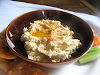
Hummus With Za'atar

Hummus With Za'atar

Many people think of hummus as a snack or appetizer, but for a little person like myself it's a meal! And a simple, convenient and tasty meal at that. Hummus is also a terrific canvas for adding or experimenting with your favorite flavors … maybe it's Middle Eastern in origin, but that's no reason not to try adding Indian, Ethiopian or other flavors.

But for this hummus, I've returned to Middle Eastern flavors. This is actually a very basic, light creamy and fluffy hummus made with chickpeas, tahini, toasted pine nuts, lemon juice and garlic. But seasoned with za'atar, it's an extraordinary treat. For those of you who haven't tried it yet — and you should! — za'atar is a unique Middle Eastern blend of aromatic dried herbs, sumac, black salt and toasted sesame seeds that adds a wonderful zesty and salty flavor to dishes. You'll love even just the smell of it.

Pre-blended commercial versions of za'atar are easily available these days from large grocers. To tell the truth, I've never even tried a commercial variety, so I can't speak to their quality. But it's so easy to make at home, and stores well in a tightly sealed and refrigerated container, that the thought of buying it never occurs to me. You can find my recipe for homemade za'atar here. I've included 2 tablespoons of za'atar strictly as a suggestion — you may wish to add more.

Hummus and Za'atarHummus and Za'atar
Recipe by
Cuisine: Middle Eastern
Published on March 12,2016

Creamy chickpea hummus served with a zesty, salty and aromatic Middle Eastern blend of herbs and toasted sesame seeds

Print this recipePrint this recipe

Ingredients:
  • 1 cup dried chickpeas (3 cups cooked or 2 14 oz cans)
  • 2 tablespoons pine nuts
  • 2 tablespoons olive oil + extra for serving
  • 1/3 cup tahini
  • 2 cloves garlic, chopped
  • juice from 1 lemon (3 tablespoons)
  • 1 1/2 teaspoons sea salt, or to taste
  • 2 tablespoons za'atar, or to taste
  • paprika
Instructions:
  • Rinse the chickpeas and soak for 8 hours or overnight in several inches of water. Drain and rinse, then transfer to a medium saucepan and cover with fresh water. Bring to a boil, reduce heat to medium-low, cover, and simmer for 1 to 1 1/2 hours or until soft. Drain, reserving the cooking liquid. (If using canned chickpeas, rinse thoroughly.)

  • Meanwhile, toast the pine nuts in a dry unoiled skillet or saucepan over medium-low heat, tossing or stirring frequently, for 10 minutes or until lightly browned.

  • Transfer the chickpeas to a food processor and add the pine nuts, 2 tablespoons of olive oil, 1/4 cup of the reserved chickpea cooking liquid (or water if using canned chicpeas), the tahini, garlic, lemon juice and salt. Process until smooth, adding more of the reserved chickpea cooking liquid or water as necessary to reach a light creamy consistency. Taste for seasoning and add more salt or lemon juice as desired.

  • Transfer the hummus to a shallow bowl and drizzle with olive oil. Sprinkle with za'atar and paprika, and serve with chopped fresh vegetables or toasted pita triangles.

  • Refrigerate leftover hummus for a few days or freeze for up to a month.

Makes about 4 cups

hummus

This is my contribution to My Legume Love Affair, a monthly event celebrating the goodness of legumes. Started by lovely Susan, I am now the administrator. This month Shaheen of Allotment to Kitchen is kindly hosting.

More hummus ideas from Lisa's Kitchen:
Spicy Hummus
Marinated Sun-Dried Tomato Hummus with Olives
Pumpkin Hummus
Turkish Yogurt Hummus

On the top of the reading stack: Choosing Raw: Making Raw Foods Part of the Way You Eat

الجمعة، 10 يوليو 2015

Berbere (Ethiopian Spice Blend)

Berbere (Ethiopian Spice Blend)

Whenever possible, I make my own spice blends. There is just no comparison between store-bought blends and the freshness and vibrancy of ones that you can easily whiz up in your own kitchen. They keep well for months in a well-sealed jar in a dark and dry place. Recently I received a copy of Teff Love: Adventures in Vegan Ethiopian Cooking by Kittee Berns that is all about Ethiopian cooking, with a vegan approach. Berbere is a fairly spicy and wonderfully aromatic spice blend that is central to Ethiopian cuisine — indeed, the foundation of so many Ethiopian dishes — so I made up this colorful spice blend up before even cooking from the book. That will come soon, as I picked up a fresh bag of teff and it has always been one of my favorite grains. Regrettably, I haven't eaten it for sometime now, but armed with this new book and this spice blend, I'm looking forward to trying some of the recipes.

Oddly enough, the book did not include a recipe for the spice blend, so after doing some research, I came up with my own version with ingredients that many cooks will already have on hand in their pantry. If not, if you live in an urban centre, everything that is included can easily be found at Indian and Asian grocery stores, or online if there is not somewhere nearby to obtain the spices.


Berbere (Ethiopian Spice Blend)Berbere (Ethiopian Spice Blend)
Recipe by
Cuisine: Ethiopian
Published on July 10, 2015

A colorful, hot and aromatic spice blend that is the basis for many classic Ethiopian dishes

Print this recipePrint this recipe

Ingredients:
  • 2 teaspoons coriander seeds
  • 1 1/2 teaspoons cumin seedss
  • 1/2 teaspoon fenugreek seeds
  • 1/2 teaspoon ajwain seeds
  • 1/2 teaspoon nigella (kalonji or black onion) seeds
  • seeds from 3 green cardamon pods
  • seeds from 2 black cardamon pods
  • 4 whole cloves
  • 5 dried whole red chilies, broken into bits
  • 3 tablespoons paprika
  • 1 teaspoon turmeric
  • 1/2 teaspoon nutmeg
  • 1/2 teaspoon ground ginger
  • 1/2 teaspoon ground cinnamon
  • 1/4 teaspoon cayenne
Instructions:
  • In a dry unoiled heavy non-stick skillet, dry roast the coriander seeds, cumin seeds, fenugreek seeds, ajwain seeds, nigella seeds, cardamon seeds, cloves and chilies for about 3 minutes, stirring often, until fragrant. Let cool.

  • In a spice grinder or small food processor, mix the seed mixture with the paprika, turmeric, nutmeg, ginger, cinnamon and cayenne. Process until everything is reduced to a fine powder.

  • Store in an air-tight glass jar in a dark dry space for up to 6 months for optimal freshness.

Makes 6 to 8 tablespoons

Other homemade spice blends you are sure to want to include in your pantry:
Chaat Masala
Curry Powder
Garam Masala
Sambar Powder

الثلاثاء، 18 نوفمبر 2014

Staple Corner: How to Make Your Own Za'atar

zaatar

My first taste of this popular Middle Eastern herb and sesame seed blend was an extraordinary burst of tangy, zesty and salty flavors. I make a lot of spice blends for my kitchen from scratch, but never one that tasted so good just on its own. In fact, it is eaten almost on its own, often served with just bread and olive oil. Highly aromatic as well as delicious, consider using za'atar to make simple oil or yogurt dressing or sprinkle it on fresh tomato slices or Middle Eastern vegetable dishes.

Although recipes for za'atar — also spelled as "zahtar", "zatar" or "zaatar" — vary from region to region and even from family to family within the Middle East and North Africa, each preparation features a combination of dried herbs such as thyme, oregano or marjoram mixed with ground toasted sesame seeds and salt. Other seeds or herbs are also sometimes added according to the local or family custom. This version includes black salt — also called rock salt — and dried fenugreek leaves to impart a smokier and tangier flavor. Dried sumac — the berry of a small temperature deciduous shrub — is also commonly added. Ground to a powder, sumac is easily found in any Middle Eastern grocer and in many Asian grocers.


Za'atarHomemade Za'atar
Recipe by
Cuisine: Middle Eastern
Published on November 18, 2014

A tangy, zesty and salty blend of herbs and toasted sesame seeds from the Middle East

Print this recipePrint this recipe

Ingredients:
  • 1/4 cup white sesame seeds
  • 1 tablespoon ground sumac
  • 1 teaspoon black (rock) salt
  • 2 tablespoons dried oregano
  • 2 tablespoons dried thyme
  • 1 1/2 tablespoons dried marjoram
  • 1 teaspoon dried fenugreek (methi) leaves (optional)
Instructions:
  • Toast the sesame seeds in a dry unoiled skillet over medium-low heat for 5 to 10 minutes, tossing frequently, until lightly browned.

  • In a mortar and pestle, grind together the sumac and salt. Add the sesame seeds and grind further. Add the herbs and fenugreek leaves if using and grind a few more times, making sure everything is well combined.

  • Keep stored in a sealed glass jar in the refrigerator for up to 4 months.

Makes about 3/4 cup

bread with zaatar and olive oil

Other homemade spice blends to liven up your food:
Garam Masala
Curry Powder
Goda Masala
Sambar Powder

On the top of the reading stack: Plenty More by Yotam Ottolenghi

Audio Accompaniment: Thomas Tallis

السبت، 15 سبتمبر 2012

Homemade Thai Red Curry Paste

Thai red curry paste

The same principles that apply to making your own spice blends at home similarly apply to homemade pastes, chutneys and sauces. Jarred and/or canned varieties available at your local market lack the freshness and flare that you can easily achieve by making your own staples at home. Certainly another advantage is you have total control over the quantity and quality of the ingredients used. The process is easier than you might initially think — especially if your kitchen is stocked with a spice grinder or food processor — and if stored in tightly sealed jars, spice blends will stay fresh for months on end, while most pastes, chutneys and sauces will keep well in the fridge for a few weeks or longer.

As I am exploring Thai cooking in more depth lately, it seems essential that I have some fresh curry pastes on hand as they are an essential addition to so many Thai dishes. Many of the commercial ready-made Thai curry pastes that you find on grocery store shelves contain fish sauce making them unsuitable for vegetarians and vegans, so there is an extra incentive to make your own. In addition to Thai green curry paste, this red curry paste is now a frequent occupant on the second floor of my fridge. Used sparingly, your soups, sauces and curries will benefit from the lingering sensation of hot chilies, fresh galangal or ginger, and lemongrass. Those with passionate palates may exercise less restraint for a more febrile experience.


Homemade Thai Red Curry PasteHomemade Vegetarian Thai Red Curry Paste
Recipe by
Cuisine: Thai
Published on September 15, 2012

The most popular base for Thai curries, red curry paste is a spicy chili paste made with fresh aromatic galangal, lemongrass and lime, adding a pungent and vivid flavor and aroma to curries and soups — this homemade version is especially vibrant and suitable for vegetarians

Print this recipePrint this recipe

Ingredients:
  • 10 large dried red chilies, broken into pieces
  • 2 teaspoons coriander seeds
  • 1-inch piece fresh galangal or ginger, chopped
  • 1 stalk lemongrass, trimmed and finely chopped
  • 1 large clove garlic, finely chopped
  • 2 to 3 shallots, finely chopped
  • 1 teaspoon sea salt, or to taste
  • 1/2 teaspoon ground coriander
  • 1 teaspoon ground cumin
  • zest from 1 lime
  • juice from 1 lime
  • water as needed
Instructions:
  • Using a large mortar and pestle, pound together all of the ingredients until a fairly thick paste is formed. For the sake of convenience you may wish to use a food processor. Add some water to achieve your desired consistency.

  • If you want a thicker paste than the version I made here, use less lime juice or omit it entirely and opt for the mortar and pestle method. I found the lime juice worked well combined with some grated zest. Fresh kaffir lime leaves and peel as well as fresh lemon basil leaves are a fragrant addition to the paste and can be used in place of the lime.

Makes about 1 cup
More pastes you are are sure to enjoy from Lisa's Vegetarian Kitchen:
Homemade Massaman Curry Paste
Homemade Thai Green Curry Paste
Red Chili and Vinegar Paste
Spicy Sun-Dried Tomato Paste

On the top of the reading stack: piles of cookbooks

Audio Accompaniment: Octex

الأحد، 18 مارس 2012

Homemade Vegetarian Thai Green Curry Paste

thai curry paste

After pad thai, green curry is one of Thailand's most famous contributions to world cooking. The paste from which it derives both its color and its name forms the base of a wide variety of vegetable and meat dishes in the form of stir fries, dry curries and soups. Commercial green curry pastes are easily available, but as time goes by I've more and more adopted the practice of making my own homemade pastes — just as with spice blends, the additional time spent preparing your own is rewarded with incredibly fresh, vibrant and authentic flavors and aromas that the commercial varieties can't really compete with.

And this green curry paste recipe is no exception — the aroma alone is astonishingly clear, pungent and exotic, and the taste is extraordinarily vivid. Green curry pastes are typically made with fish sauce and sometimes shrimp paste as well, so this homemade version presents another advantage to vegetarians.

Keep the 1 1/2 cups that this recipe makes in a well-sealed jar for up to a couple of weeks in the refrigerator, or freeze it in ice cube trays or a tablespoon or two at a time in small baggies — a little of this potent blend goes a long way! I'll shortly be sharing a recipe for an authentic and wonderfully flavorful green curry lentil and vegetable soup that uses only a small amount of this paste but to great effect.

Some notes on this recipe:

Feel free to adjust the quantities of individual ingredients to your preferences, and increase or reduce the number of green chilies depending on your taste and the type of chili. I used unseeded serranos in this recipe, with a fairly hot result. You can seed the chilies as well if you prefer less heat. You can also substitute 1/4 teaspoon each of ground coriander and ground cumin for the whole seeds if necessary, although I feel that toasting and grinding the seeds adds a fresher flavor.

Finally, galangal (or galanga) is a close relative of ginger and is used in the same way. Galangal has a paler and thinner pinkish skin that is peeled just as with ginger, and while the taste is hot and zesty like ginger, it has a strong and unique citrusy and mustardy flavor and aroma with hints of pine that is quite unlike its cousin. I recommend looking for it in an Asian grocer where it is usually available fresh or frozen (some people prefer frozen galangal imported from Thailand over fresh galangal grown in California or locally). But ginger will also produce a fine result.

Homemade Vegetarian Thai Green Curry PasteHomemade Vegetarian Thai Green Curry Paste
Recipe by
Cuisine: Thai
Published on March 18, 2012

The base for one of Thailand's most famous food styles, green curry paste adds a vivid zesty and pungent flavor and aroma to curries and soups — this homemade version is especially vibrant and suitable for vegetarians

Print this recipePrint this recipe

Ingredients:
  • 1/2 teaspoon coriander seeds
  • 1/2 teaspoon cumin seeds
  • 1 teaspoon white or black peppercorns
  • 1 lemongrass stalk
  • 4 green chilies
  • 1 shallot, peeled
  • 1 clove garlic, peeled
  • 1-inch piece fresh galangal or ginger, peeled
  • 1/2 cup packed fresh coriander leaves, roots and stems
  • zest and juice of 2 limes
  • 2 teaspoons tamari (fermented soy) sauce
  • 1/4 teaspoon ground turmeric
  • 1/2 teaspoon sea salt
Instructions:
  • Toast the coriander and cumin seeds in a small saucepan or frying pan over medium-low heat, tossing frequently, until the seeds darken a few shades and become fragrant, 5 - 10 minutes. Remove from heat and grind to a powder with the peppercorns with a mortar and pestle or in a spice grinder.

  • Remove the outer leaves from the lemongrass, trim the ends and finely chop. Coarsely chop the green chilies, shallot, garlic and galangal or ginger.

  • Place the chopped ingredients in a food processor and add the coriander, lime zest and juice, and tamari sauce. Process to a smooth paste, adding up to a 1/4 cup of water as necessary. Add the coriander, cumin and peppercorn spice mixture, along the turmeric and sea salt, and process until combined.

  • Store in a sealed airtight jar for up to 2 weeks, or freeze in small batches for up to several months.

Makes about 1 1/2 cups
Other homemade food pastes from my kitchen:
Homemade Massaman Paste
Homemade Harissa
Red Chili and Vinegar Paste
Spicy Sun-Dried Tomato Paste

On the top of the reading stack: Quinoa 365: The Everyday Superfood

Audio Accompaniment: Fernando Lagreca

الجمعة، 3 فبراير 2012

Dukka

Dukka

In preparation for a Turkish black-eyed pea dish that I'll be featuring soon, I made this Middle Eastern blend of spices, seeds, herbs and nuts. I am running out of room for all the homemade blends that I make, but I can never resist in any case. Widely used in the Middle East and North Africa, dukka — also spelled "dukkah" or "duqqa" — is a wonderfully tangy, zesty and salty blend of dry roasted nuts and seeds with herbs and spices that's surprisingly hearty on its own. Often served for breakfast with bread after dipped in olive oil, this delicious blend can be enjoyed for a snack, lunch, dinner or whenever you please. Consider adding it to salads, with your vegetable dishes or included in your favorite dipping sauce. The possibilities are endless.

I did some research and came up with my own recipe for dukka based on ideas I found from A Life Time of Cooking and Kevin of Closet Cooking. Dukka will keep in the refrigerator in a sealed glass jar for several months. Your pulse should be rather coarse. Enjoy the aroma while making this blend, and try the exotic flavor just on its own.

Sumac is the dried fruit of a temperature shrub ground to a powder and used extensively in Middle Eastern and Turkish cuisine. You can easily find it in any Middle Eastern or Asian grocer.

DukkaDukka
Recipe by
Cuisine: Middle Eastern
Published on February 3, 2012

A tangy, zesty and salty blend of nuts, seeds, herbs and spices from the Middle East

Print this recipePrint this recipe

Ingredients:
  • 1/2 cup sesame seeds
  • 1/2 cup coriander seeds
  • 1 tablespoon cumin seeds
  • 1/2 cup walnut pieces
  • 1/4 cup sunflower seeds
  • 1/2 cup raw pistachios
  • 2 cinnamon sticks
  • 1 tablespoon black peppercorns
 
  • 1 teaspoon rock salt or sea salt
  • 2 teaspoons sumac
  • pinch of dried marjoram
  • 1/3 cup dried fenugreek leaves
  • pinch of dried thyme
  • pinch of dried oregano
  • 1 teaspoon chili powder
Instructions:
  • In a frying pan, dry roast the sesame seeds, coriander seeds, cumin seeds, walnut pieces, sunflower seeds, pistachios, cinnamon sticks and peppercorns until fragrant. Grind together in a coffee grinder or food processor (I used my trusty magic bullet).

  • Transfer to a small bowl and add the salt, sumac, marjoram, fenugreek leaves, thyme, oregano and chili powder. and stir until well combined.

Yields approximately 1 1/2 cups
Other spice blends you may enjoy from Lisa's spicy kitchen:
Curry Powder
Chat Masala
Garam Masala

On the top of the reading stack: Ancient Grains for Modern Meals: Mediterranean Whole Grain Recipes for Barley, Farro, Kamut, Polenta, Wheat Berries & More

Audio accompaniment: Horace Andy

السبت، 7 يناير 2012

Staple Corner: How to Make Your Own Curry Powder

curry powder

Serious cooks who are smitten with Indian cooking should always have a fresh made spice blend of curry powder on hand. While you can get excellent pre-prepared blends at your local Indian grocery store, you can perfect your own version to add extra flair to your dishes. It will keep for several months in a tightly-sealed jar.

Toor dal, curry leaves, fenugreek leaves, asafoetida, and all the ingredients found in this recipe are easily available at any Indian grocer.

Homemade Curry PowderHomemade Curry Powder
Recipe by
Cuisine: Indian
Published on January 7, 2012

Fresh homemade spice blends have a vibrant taste that store-bought varieties just can't match — try this easy-to-make curry powder for a fresh burst of Indian flavor in your dishes

Print this recipePrint this recipe

Ingredients:
  • 2 tablespoons cumin seeds
  • 2 tablespoons black mustard seeds
  • 1 1/2 tablespoons fenugreek seeds
  • 1 teaspoon fennel seeds
  • 1/2 tablespoon toor dal, rinsed and dried
  • 5 to 7 whole dried red chilies
  • 1 teaspoon whole cloves
  • 1 teaspoon black peppercorns
  • generous handful of dried curry leaves
  • 4 tablespoons dried fenugreek leaves
  • 1/3 cup ground coriander
  • 1/2 teaspoon ground cardamom
  • pinch of saffron
  • 1/2 teaspoon asafetida
  • 1 teaspoon dry mustard powder
  • 2 tablespoons turmeric
  • pinch of cayenne
Instructions:
  • Heat a teaspoon of oil in a heavy-bottomed frying pan over medium-low heat. When hot, add the cumin seeds, black mustard seeds, fenugreek seeds, fennel seeds, toor dal, red chilies, cloves and peppercorns. Stir and fry for about 10 minutes or until the seeds turn a golden brown.

  • Now, toss in the curry leaves, fenugreek leaves, ground coriander, ground cardamom, saffron, asafetida, mustard powder, turmeric and cayenne. Stir and fry for another few minutes.

  • Remove from heat and grind into a smooth powder in a spice or coffee grinder.

  • Stored in a glass jar with a tight seal, this mixture will last for up to 4 months or more.

Makes 1 cup
homemade curry powder

Other spice blends you will likely enjoy from Lisa's Vegetarian Kitchen:
Chat Masala
Sambar Masala
Garam Masala
Chana Masala Powder

الجمعة، 28 أكتوبر 2011

Staple Corner: How to Make Your Own Goda Masala

homemade goda masala

As I have noted before, fresh homemade spice blends are always superior to store-bought blends. For example, I whipped up a batch of goda masala for a tangy red lentil curry and was struck by the heavenly fragrance. The goda masala spice blend is a specialty of Maharashtrian cooking, adding a hot, earthy and dry seasoning to foods of the region, like dals, rice dishes, vegetable curries and khichadis. A pinch of goda masala would be an excellent choice for homemade flatbreads. The recipe for the blend comes from Sukham Ayu: Cooking at Home With Ayurvedic Insights by Jigyasa Giri and Pratibha Jain, who included it as a tribute to the hills of Maharashtra. A big thanks again to these ladies for sending me a copy of their book.

I should repeat that this elegant book will tantalize your taste buds and introduce you to vegetarian Ayurvedic cooking principles. So many easy to prepare appetizer sweets, soups, vegetables, pulses, breads, rice, snacks and chutney, salads and beverages. Keep the goda masala blend in a well-sealed glass container for three to six months and spice up your dishes. A ready well-stocked and tidy kitchen makes for an excellent cook. Concentrate on your food and put positive energy into what you are making for nourishment.

Homemade Goda MasalaHomemade Goda Masala
Recipe by
Adapted from Sukham Ayu: Cooking at Home With Ayurvedic Insights
Cuisine: Indian
Published on October 28, 2011

A pungent and hot spice blend from Maharashtra that adds a unique earthy and dry seasoning to curries — try substituting for garam masala asa finish occasionally

Print this recipePrint this recipe

Ingredients:
  • 1/4 cup sesame seeds
  • 1/2 cup unsweetened dried coconut
  • 1 tablespoon ghee or sesame oil
  • 1 tablespoon whole cloves
  • 4 1-inch pieces of cinnamon stick
  • 1/2 teaspoon fenugreek seeds
  • generous handful of dried curry leaves
  • 2 1/2 tablespoons cumin seeds
  • pinch of kalonji (nigella) seeds (optional)
  • 2 cups coriander seeds
  • 20 to 30 dried whole red chilies
  • 1 tablespoon asafetida
  • 1/2 teaspoon turmeric
Instructions:
  • Dry roast the sesame seeds and coconut over low heat in a heavy-bottomed frying pan, stirring often. When slightly browned, remove from the pan and set aside.

  • In the same pan, heat the ghee or oil over medium heat and add the cloves, cinnamon sticks, curry leaves, cumin seeds, kalonji seeds and the fenugreek seeds. Stir and fry for a few minutes and then add the coriander seeds and dried chilies. Continue to stir and fry until the coriander seeds darken a few shades. Toss in the asafetida powder and turmeric and roast for another few minutes, taking care to stir often.

  • Put all of the ingredients into a food processor and grind into a fine powder.

Makes 1 1/2 cups
Other Spice Powders from Lisa's Vegetarian Kitchen you may enjoy:
Garam Masala
Chat Masala
Sambar Masala
Chana Masala Powder

On the top of the reading stack: The Trial of Gilles de Rais by Georges Bataille

Audio Accompaniment: Creation Rebel: Trojan Remixed - DJ Spooky

الجمعة، 29 أبريل 2011

Staple Corner: How to Make Your Own Garam Masala (Part 2)

garam masala

Considering I keep so many staples on hand in my overstuffed kitchen, I was shocked to discover during dinner preparation that I was completely out of garam masala — is a key ingredient in so many Indian dishes. Thankfully, it is easy to make up your own fresh blend, which I have been meaning to do again anyways because the taste is far superior to store-bought blends and it keeps for a few months in a well-sealed jar. This flavorful, dark and rather complex and smoky blend is adapted from my treasured copy of 660 Curries by Raghavan Iyer. Inspired Indian cooks will not want to be without this extensive collection of recipes for legumes, grains, spice blends, appetizers and vegetables. Informative, charming and entertaining, you won't be lacking for ideas if you consult Mr. Iyer's cookbook.

Homemade Garam Masala

More recipes for homemade garam masala can be found here.

Homemade Garam MasalaHomemade Garam Masala
Recipe by
From 660 Curries
Cuisine: Indian
Published on April 29, 2011

A dark, robust and smoky version of the famous warming and fragrant Indian garam masala spice blend

Print this recipePrint this recipe

Ingredients:
  • 1/2 cup whole dried red chillies, crushed
  • generous handful dried curry leaves
  • 2 tablespoons coriander seeds
  • 1 tablespoon poppy seeds
  • 1 tablespoon black peppercorns
  • 2 teaspoons cumin seeds
  • 1 teaspoon yellow mustard seeds
  • 6 green cardamom pods
  • 2 black cardamom pods
  • 2 whole star anise
  • 2 3-inch sticks cinnamon, broken
  • 1/2 teaspoon ground mace
  • 1 teaspoon sesame oil
  • 1/2 teaspoon asafetida
Instructions:
  • In a medium bowl, combine the chilies, curry leaves, coriander seeds, poppy seeds, peppercorns, cumin seeds, mustard seeds, cardamom pods, star anise, cinnamon sticks, mace, and toss with sesame oil.

  • Preheat a frying pan over medium heat. When hot, add the spice mixture and stir and fry for 5 minutes or until the spices darken a few shades. Transfer back to the bowl and let cool.

  • Blend the spices in coffee or spice grinder or in a blender until finely ground. Stir in the asafetida. Store in a tightly-sealed jar away from heat or light for up to 4 months.

Makes about 1 cup
Homemade Garam Masala

Other spice blends you may enjoy from Lisa's Vegetarian Kitchen:
Chat Masala
Sambar Masala
Chana Masala Powder

On the top of the reading stack: Pure and Simple: Homemade Indian Vegetarian Cuisine by Vidhu Mittal

Audio Accompaniment: Markus Guentner

الأحد، 5 سبتمبر 2010

Staple Corner: How to Make Your Own Chat Masala Powder ( Chaat Masala )

Homemade Chat Masala (Chaat Masala) Powder
Chat (or chaat) masala is a very popular spice blend in northern India where it is often tossed with fruit or chickpeas to make simple "chat" snacks sold by street vendors. While there are dozens if not hundreds of recipes for chat masala, dried mango or amchoor powder and black salt are essential ingredients — these are combined with various seeds and spices to create a wonderfully hot, sour and salty mixture that is absolutely delicious with cool or tangy foods. Chat masala is a favorite of mine when sprinkled on fresh tomatoes or hard-boiled eggs, or incorporated into summer salad dressings. If you haven't tried chat masala already, you will be in for a treat.

Good pre-blended and packaged chat masalas are always available in Indian grocers, but making your own is always a preferred option for freshness and for experimenting with flavors — besides which, it only takes minutes to prepare a batch that will keep for months. This recipe comes from Yamuna Devi's indispensible treasury of authentic Indian cooking, Lord Krishna's Cuisine. Mango powder, black salt — also known as rock salt — garam masala and asafetida are also available at Indian grocers.


Homemade Chat Masala (Chaat Masala) PowderHomemade Chat Masala (Chaat Masala) Powder
Recipe by
Adapted from Lord Krishna's Cuisine: The Art of Indian Vegetarian Cooking
Cuisine: Indian
Published on September 5, 2010

A hot, sour and salty Indian spice blend that's great for serving with cool or tangy foods — sprinkle on fresh tomatoes, fruit or hard-boiled eggs, add to chickpeas, or combine with yogurt into a lovely salad dressing

Print this recipePrint this recipe

Ingredients:
  • 1 tablespoon cumin seeds
  • 1 1/2 teaspoons fennel seeds
  • 1/4 teaspoon asafetida
  • 1/2 tablespoon garam masala
  • 1/2 tablespoon amchoor (dried mango) powder
  • 1/2 tablespoon black salt
  • 1/2 teaspoon cayenne
  • 1/8 teaspoon ground ginger
Instructions:
  • Dry roast the cumin and fennel seeds in a small frying pan over low heat for about 5 minutes or until the cumin seeds darken a few shades. Toss in the asafoetida and stir in for a few moments. Remove from heat and grind in an electric coffee grinder until powdered. Add the remaining ingredients and pulse to mix.

  • Store in an airtight jar away from heat and light for up to 2 months.

Makes about 1/4 cup
Other spice blends and pastes from Lisa's Kitchen you will be sure to find indispensable:

Homemade Harissa
Homemade Chana Masala Powder
Homemade Garam Masala
Homemade Sambar Masala

On the top of the reading stack: Encounterby Milan Kundera

Audio Accompaniment: Marsen Jules