‏إظهار الرسائل ذات التسميات Staple Corner. إظهار كافة الرسائل

الأربعاء، 16 نوفمبر 2016

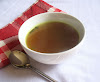
Vegan "Bone" Broth

Vegan

There are times when we don't have much of an appetite, but these are often time when it's the most important for us to get our essential nutrients even though only a minimal amount of solid food may or can be eaten. Bone broths — made by simmering beef bones for hours — are an increasingly trendy solution for healing the gut and providing nutrients to the weak stomach — but what about the vegetarian?

The good news is that vegetarians can obtain all the same nutrients in a broth — including the building blocks of collagen — from plant sources, and I dare say that the vegetarian can make an even tastier broth with even more nutrients by adding plenty of different plant ingredients. This vegan "bone" broth makes use of all kinds of nourishing and tasty vegetables, including greens, cabbage, seaweed and mushrooms in addition to ginger, onions, chilies and turmeric for extra nutrients and flavor. It's easy to put together — just throw everything in a large pot, simmer for an hour, and strain — and it's a great way to use up vegetable scraps too.

Best of all, this broth is a warming bowl of goodness that will help to heal the gut and taste delicious too at the same time. You can freeze 1-cup portions of the broth and bring out later to heat up or use as a stock in soups or to use as the liquid component for cooking up your favorite grains for extra nutrition and flavor.

Vegan Bone BrothVegan "Bone" Broth
Recipe by
Adapted from Wallflower Kitchen
Published on November 16, 2016

Simple, flavorful and easy-to-digest vegan "bone" broth loaded with gut healing nutrients

Print this recipePrint this recipe

Ingredients:
  • 16 cups water
  • 1 tbsp coconut oil or olive oil
  • 1 red onion, unpeeled and quartered
  • 4 cloves garlic, unpeeled and crushed
  • 1 jalapeño or chili, chopped
  • 1 knob of ginger, unpeeled and chopped
  • 2 cups kale, spinach or other leafy greens
  • 4 cups mixed chopped vegetables and peelings (I used carrots, cabbage, fresh mushrooms, green beans and celery)
  • 1 bunch fresh cilantro or parsley
  • 1 oz (30 g) dried shiitake mushrooms
  • 1 oz (30 g) dried wakame seaweed
  • 1/2 tablespoon black peppercorns
  • 2 tablespoons ground turmeric
  • 2 tablespoons tamari (soy) sauce
  • 1/4 cup nutritional yeast (optional)
Instructions:
  • Add everything to a large soup pot and bring to a boil. Reduce heat to medium-low and simmer, covered, for 1 to 1 1/2 hours or until the vegetables are cooked.

  • Strain the broth into a large bowl.

  • Serve hot garnished with fresh herbs, or freeze the broth in 1- or 2-cup portions for future use.

Makes 16 cups

Vegetable Broth

Related: How to Make Your Own Vegetable Stock.

الاثنين، 24 أكتوبر 2016

Roasted Tamari Almonds

Roasted Tamari Almonds

I guarantee that almond lovers with swoon with delight over these crunchy and highly addictive almonds roasted with salty tamari. Considering that they are so ridiculously easy to make, it's a wonder that I ever purchased overpriced bags of pre-prepared tamari almonds from stores — which sometimes even included ingredients other than just raw almonds and tamari.

This recipe makes a full pan so you'll have some on hand to snack on throughout the week when you get the munchies. Although, if you're a certain friend of mine, a full batch might only last a day!

Be sure to use genuine tamari — easily available at any grocer nowadays — instead of common Chinese soy sauce. Tamari has a much richer and deeper flavor that is essential for these almonds. Besides, if you haven't already tried tamari yet, you'll find that you'll never go back to cheap soy sauces.

Roasted Tamari AlmondsRoasted Tamari Almonds
Recipe by
Published on October 24, 2016

Classic crunchy home roasted tamari almonds with a deep, rich and addictive flavor

Print this recipePrint this recipe

Ingredients:
  • 2 1/2 cups raw almonds
  • 3 1/2 tablespoons tamari
Instructions:
  • Line a baking sheet with parchment paper. Preheat an oven to 350°.

  • In a small bowl, toss the almonds with the tamari. Spread the almonds evenly on the prepared baking sheet. Roast on the middle rack of the oven for 7 minutes. Flip the almonds, and bake for another 5 to 7 minutes until browned. If there is still tamari on the baking sheet, turn off the oven, leave the door ajar, and let the pan sit until the tamari has evaporated.

  • Remove the sheet from the oven and let cool completely. These keep well in a sealed jar for a good number of weeks, although I doubt they will last that long. They're that good.

Makes 2 1/2 cups

Tamari Almonds

الخميس، 10 سبتمبر 2015

Classic Tamarind Chutney

Classic Tamarind Chutney

Why purchase store-bought chutneys and sauces when it's so easy to make your own? As I enjoy Indian savories, that usually means that when I make them, I also make an accompaniment for them. Sweet tamarind chutney is one of my favorites and I've made several versions of it in the past. This one is smooth, tart and hot, and easy to make, and I made it to go along with baked samosas (that recipe is coming soon). All you need to do is soak the tamarind for a while and then gently simmer with a few other ingredients until it thickens up. It keeps well in the refrigerator for at least a week in a covered container.


Classic Tamarind ChutneyClassic Tamarind Chutney
Recipe by
Cuisine: Indian
Published on September 10, 2015

Smooth, tart and spicy classic "restaurant-style" tamarind chutney — easy to make and great for samosas or any Indian appetizer

Print this recipePrint this recipe

Ingredients:
  • 1/2 cup tamarind pulp
  • 1/2 tablespoon oil
  • 1 teaspoon cumin seeds
  • 1 teaspoon fresh ginger, minced
  • 1 red chili, seeded and finely chopped
  • pinch of cayenne
  • 1/2 teaspoon asafetida
  • 1/2 teaspoon garam masala
  • 1/2 tablespoon coconut or brown sugar
  • 1/2 teaspoon sea salt, or to taste
Instructions:
  • Soak the tamarind pulp in 2 cups of hot water for 40 to 60 minutes. Place a strainer over a medium bowl and pour in the tamarind and soaking water. Drain the water into the bowl, squeezing out as much of the pulp as possible, and discarding any seeds and fibrous bits. Reserve the pulp and water.

  • Heat the oil in a small saucepan over medium heat. When hot, add the cumin seeds and stir for 1 to 2 minutes until the seeds darken a few shades. Add the ginger and chilies and cook, stirring often, for another minute or two. Toss in the cayenne, asafetida and garam masala, and stir for another minute.

  • Whisk in the tamarind pulp and water, sugar and salt. Bring to a boil, reduce the heat to medium-low, and simmer, stirring often, until the mixture has thickened — about 20 to 25 minutes. Remove from heat and blend in a small food processor or blender for a smoother consistency if desired.

  • Refrigerate for up to a week in a sealed container.

Makes 1 cup

Smooth Tamarind Chutney

Other chutneys and sauces to try from Lisa's Vegetarian Kitchen:
Spicy Tomato Chutney
Green Mango Coconut Chutney
Roasted Toor Dal & Coconut Chutney
Hot Green Chili Sauce

الجمعة، 10 يوليو 2015

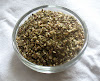
Berbere (Ethiopian Spice Blend)

Berbere (Ethiopian Spice Blend)

Whenever possible, I make my own spice blends. There is just no comparison between store-bought blends and the freshness and vibrancy of ones that you can easily whiz up in your own kitchen. They keep well for months in a well-sealed jar in a dark and dry place. Recently I received a copy of Teff Love: Adventures in Vegan Ethiopian Cooking by Kittee Berns that is all about Ethiopian cooking, with a vegan approach. Berbere is a fairly spicy and wonderfully aromatic spice blend that is central to Ethiopian cuisine — indeed, the foundation of so many Ethiopian dishes — so I made up this colorful spice blend up before even cooking from the book. That will come soon, as I picked up a fresh bag of teff and it has always been one of my favorite grains. Regrettably, I haven't eaten it for sometime now, but armed with this new book and this spice blend, I'm looking forward to trying some of the recipes.
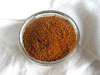
Oddly enough, the book did not include a recipe for the spice blend, so after doing some research, I came up with my own version with ingredients that many cooks will already have on hand in their pantry. If not, if you live in an urban centre, everything that is included can easily be found at Indian and Asian grocery stores, or online if there is not somewhere nearby to obtain the spices.


Berbere (Ethiopian Spice Blend)Berbere (Ethiopian Spice Blend)
Recipe by
Cuisine: Ethiopian
Published on July 10, 2015

A colorful, hot and aromatic spice blend that is the basis for many classic Ethiopian dishes

Print this recipePrint this recipe

Ingredients:
  • 2 teaspoons coriander seeds
  • 1 1/2 teaspoons cumin seedss
  • 1/2 teaspoon fenugreek seeds
  • 1/2 teaspoon ajwain seeds
  • 1/2 teaspoon nigella (kalonji or black onion) seeds
  • seeds from 3 green cardamon pods
  • seeds from 2 black cardamon pods
  • 4 whole cloves
  • 5 dried whole red chilies, broken into bits
  • 3 tablespoons paprika
  • 1 teaspoon turmeric
  • 1/2 teaspoon nutmeg
  • 1/2 teaspoon ground ginger
  • 1/2 teaspoon ground cinnamon
  • 1/4 teaspoon cayenne
Instructions:
  • In a dry unoiled heavy non-stick skillet, dry roast the coriander seeds, cumin seeds, fenugreek seeds, ajwain seeds, nigella seeds, cardamon seeds, cloves and chilies for about 3 minutes, stirring often, until fragrant. Let cool.

  • In a spice grinder or small food processor, mix the seed mixture with the paprika, turmeric, nutmeg, ginger, cinnamon and cayenne. Process until everything is reduced to a fine powder.

  • Store in an air-tight glass jar in a dark dry space for up to 6 months for optimal freshness.

Makes 6 to 8 tablespoons

Other homemade spice blends you are sure to want to include in your pantry:
Chaat Masala
Curry Powder
Garam Masala
Sambar Powder

السبت، 4 يوليو 2015

Homemade Flour Tortillas

Homemade Flour Tortillas

Although I've been using them for years, I've never really much cared for store-bought tortillas. They come with a host of ingredients that I cannot even pronounce, let alone identify, and they're quite rubbery and a little odd-tasting besides. So I finally resolved to make my own as I had a vegetarian wrap in mind and didn't want inferior tortillas to spoil the show. Now that summer is here, wraps are ideal choices for hot days and patio dining.

This was my first attempt at making homemade tortillas and I was delighted with the results. The dough was pliable and a pleasure to work with, and they fried up nicely too in hardly anytime at all, although I was hoping to roll them out a bit thinner yet. At the same time, they did make for an excellent and natural-tasting wrap. The most difficult part when it comes to making your own tortillas is keeping up with the pan if you are working on your own. I opted not to use a tortilla press because a good non-stick skillet is just as good. Once you get into the groove, though, things go along smoothly — roll one out, add to the preheated pan, cook for about a minute, keeping an eye on the pan, flip, cook for another 30 seconds or so, transfer to a plate and cover with a kitchen towel, and proceed until all of the rounds are complete.

Really, they come together in hardly any time at all, and I'm going to make a habit of making these this summer. I'll be sharing the filling that adorned these soon, and my next stop is probably a hummus-based filling or a vegan burrito.

Homemade Flour TortillasHomemade Flour Tortillas
Recipe by
Cuisine: Mexican
Published on July 4, 2015

Easy and perfect homemade flour and olive oil tortillas — great for wrapping

Print this recipePrint this recipe

Ingredients:
  • 3 cups unbleached white flour
  • 1/2 teaspoon baking powder
  • 1 teaspoon sea salt
  • 5 tablespoons olive oil
  • 1 cup warm water, or more as needed
  • extra flour for rolling
Instructions:
  • Combine the flour, baking powder and salt in a large bowl. Add the olive oil and rub it into the flour mixture with your hands. Add the water, turn the dough out onto a lightly floured board, and knead for about 4 minutes until smooth and elastic.

  • Return the dough to the bowl and let rest, covered with a clean kitchen cloth, for 15 minutes.

  • Divide the dough into small lemon-size portions. Roll each portion out in a thin circle, as thin as possible, until the round is about 12 inches in diameter.

  • Line a plate with a clean kitchen cloth. Heat a non-stick skillet over medium heat. When hot, add a round to the pan and cook for about 1 minute. Flip and cook for another minute. Transfer to the plate, cover up with the towel and repeat with the rest of the dough.

Makes 6 12-inch tortillas

Flour Tortillas

Some ideas for tortillas accompaniments:
Refried Beans with Sun-Dried Tomatoes
Pinto Bean and Avocado Burritos
Broccoli, Quinoa and Black Bean Burrito with Cashew Sauce
Baked Falafel with Lemon Tahini Sauce

On the top of the reading stack: Teff Love: Adventures in Vegan Ethiopian Cooking

الأربعاء، 20 مايو 2015

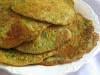
Savory Fenugreek and Coriander Pancakes

Savory Fenugreek and Coriander Pancakes

I am passionate about savory Indian flat breads. They are a perfect accompaniment to curries and are easy to make too. They do require a bit of patience however because usually only one can be cooked in the skillet at a time. No matter. The effort is well worth it, and in this case the bread requires no kneading.

These pancakes feature fresh fenugreek leaves — also known as "methi" — an annual herb that I was lucky enough to get my hands on. It is commonly used in Indian cooking and that includes the seed and ground powder from the seed. Slightly sweet, with a hint of bitterness, it is well worth using the fresh herb, but if you can't find it — and this is sometimes a challenge — substitute about 3/4 cup dried fenugreek instead. Most Asian and Indian grocers carry the dried leaves, seeds and powder, and often the fresh leaves. These grocers will also carry chickpea flour and chapati (or "atta") flour, but for 1/2 cup of chapati flour you may substitute 1/3 cup sifted whole wheat flour and combine with enough pastry flour to make 1/2 cup.


Savory Fenugreek and Coriander PancakesSavory Fenugreek and Coriander Pancakes
Recipe by
Cuisine: Indian
Published on May 20, 2015

Thin, soft Indian flat breads with a savory fenugreek and coriander flavor

Print this recipePrint this recipe

Masala paste:
  • 4 to 6 green chilies (or fewer if preferred), seeded and chopped
  • 1 clove garlic, crushed
  • 1-inch fresh ginger, finely sliced
  • 1/4 teaspoon sea salt
Pancake batter:
  • 1 cup brown rice flour
  • 1/2 cup chapati (atta) flour*
  • 1/3 cup chickpea (besan) flour
  • 1 teaspoon cumin seeds
  • 1/2 tablespoon ground coriander
  • 1 teaspoon turmeric
  • 1/2 teaspoon paprika
  • 1/4 teaspoon asafetida
  • 1 1/2 teaspoons sea salt, or to taste
  • 2 teaspoons coconut sugar or brown sugar
  • 2/3 cup whole fat yogurt
  • 1 1/2 cups warm water, or as needed
  • 1 2/3 cup fresh fenugreek leaves (methi), roughly chopped*
 
  • 3 tablespoons ghee or sesame oil for frying, or as needed
Instructions:
  • *Substitutions: Substitute 1/2 cup chapati flour with 2 parts sifted whole wheat flour and 1 part pastry flour. Substitute fresh fenugreek leaves with 3/4 cup dried fenugreek leaves.

  • For the paste, combine the chilies, garlic, ginger, salt and 1 teaspoon of water in a small blender to blend into a paste. Alternately, use a mortar and pestle.

  • Whisk together the flours, cumin seeds, ground coriander, turmeric, paprika, asafetida, salt and sugar in a large bowl until well combined. Stir in the yogurt, 1 cup of the water to start with, and the fenugreek leaves. Stir well to combine, adding more water until the batter is pourable but fairly thick.

  • Line a plate with a large piece of foil.

  • Heat a few teaspoons of ghee or oil in a large heavy-bottomed frying pan over medium heat. When hot, ladle about 1/2 cup of the batter into the hot pan and spread out in a circular fashion with the back of the ladle into a thin 7- or 8-inch round. Cover and let cook for a minute. With a spatula, gently flip the pancake and cook for another few minutes, until the bread is golden brown. Transfer the pancake to the plate, fold the foil over to cover, and repeat the process until all of the pancakes are cooked.

  • Enjoy warm or reheat them in a 175° oven. They are best when served the same day that they are made.

Makes about 10 pancakes

Indian Fenugreek Pancakes with Coriander

Other savory Indian breads to enjoy from Lisa's Vegetarian Kitchen:
Besan Roti
Fenugreek Roti
Chickpea Flour Pancakes (Pudla) with Crushed Peas, Ginger, Chilies and Cilantro
Mixed Lentil and Rice Indian Pancakes

Audio Accompaniment: Ben Harper

الخميس، 12 مارس 2015

Avocado and Tomato Salsa with Chipotle

avocado salsa

One can never have enough ideas for salsas as far as I am concerned. Not only do they feature as a condiment or dip, they sometimes occupy a central role in the main dish. This salsa is perfected suited as an appetizer and accompaniment. As creamy chunks of avocado fill out this salsa, it was the star of a recent meal as a topping for hummus served with some flat breads. The chipotle adds a fairly intense and smoky heat that lingers all the while cooled and tempered by the chunks of refreshing avocado. It's snap to whip up too and requires no cooking time at all. I do recommend the fresh herbs here for additional flavor and freshness. Certainly some Kalamata olives would be a fine addition, and next time I make this a handful will be included in the mix.

Note: Chipotles are very hot, so be sparing with them if you are sensitive to heat. This recipe calls for one avocado, but last time I made it I used two. Adjust to suit your preferences.


Avocado and Tomato Salsa with ChipotleAvocado and Tomato Salsa with Chipotle
Recipe by
Cuisine: Mexican
Published on March 12, 2015

Simple, colorful and vibrant no-cook avocado and tomato salsa with herbs and smoky chipotles

Print this recipePrint this recipe

Ingredients:
  • 1 to 2 dried chipotle chilies
  • 1-inch piece ginger, grated or finely chopped
  • 1 large shallot, finely chopped
  • 1/4 cup fresh mint leaves, finely chopped
  • 1/4 cup fresh cilantro, finely chopped
  • juice from 1 lime (2 tablespoons)
  • 1/2 teaspoon ground cumin
  • dash of paprika
  • 1 tablespoon olive oil
  • 2 teaspoons white wine vinegar
  • a few pinches of sea salt
  • 1 pint (2 cups) cherry tomatoes, halved or quartered
  • 1 avocado, pitted and chopped
Instructions:
  • Soak the chipotle chilies in hot water for 30 to 40 minutes until softened. Drain and finely chop.

  • In a medium bowl, mix together the chilies, ginger, shallot, mint, cilantro, lime juice, cumin, paprika, olive oil, vinegar and salt. Toss in the tomatoes and then stir in the avocado.

Makes about 3 cups

avocado salsa with chipotle

Other delightful salsas to enjoy:
Mexican Tomato and Jalapeño Salsa
Feta and Olive Salsa
Black-Eyed Pea Salsa
Avocado Pomegranate Salsa

On the top of the reading stack: The Complete Coconut Cookbook: 200 Gluten-free, Grain-free and Nut-free Vegan Recipes Using Coconut Flour, Oil, Sugar and More

Audio Accompaniment: Biosphere

الثلاثاء، 18 نوفمبر 2014

Staple Corner: How to Make Your Own Za'atar

zaatar

My first taste of this popular Middle Eastern herb and sesame seed blend was an extraordinary burst of tangy, zesty and salty flavors. I make a lot of spice blends for my kitchen from scratch, but never one that tasted so good just on its own. In fact, it is eaten almost on its own, often served with just bread and olive oil. Highly aromatic as well as delicious, consider using za'atar to make simple oil or yogurt dressing or sprinkle it on fresh tomato slices or Middle Eastern vegetable dishes.

Although recipes for za'atar — also spelled as "zahtar", "zatar" or "zaatar" — vary from region to region and even from family to family within the Middle East and North Africa, each preparation features a combination of dried herbs such as thyme, oregano or marjoram mixed with ground toasted sesame seeds and salt. Other seeds or herbs are also sometimes added according to the local or family custom. This version includes black salt — also called rock salt — and dried fenugreek leaves to impart a smokier and tangier flavor. Dried sumac — the berry of a small temperature deciduous shrub — is also commonly added. Ground to a powder, sumac is easily found in any Middle Eastern grocer and in many Asian grocers.


Za'atarHomemade Za'atar
Recipe by
Cuisine: Middle Eastern
Published on November 18, 2014

A tangy, zesty and salty blend of herbs and toasted sesame seeds from the Middle East

Print this recipePrint this recipe

Ingredients:
  • 1/4 cup white sesame seeds
  • 1 tablespoon ground sumac
  • 1 teaspoon black (rock) salt
  • 2 tablespoons dried oregano
  • 2 tablespoons dried thyme
  • 1 1/2 tablespoons dried marjoram
  • 1 teaspoon dried fenugreek (methi) leaves (optional)
Instructions:
  • Toast the sesame seeds in a dry unoiled skillet over medium-low heat for 5 to 10 minutes, tossing frequently, until lightly browned.

  • In a mortar and pestle, grind together the sumac and salt. Add the sesame seeds and grind further. Add the herbs and fenugreek leaves if using and grind a few more times, making sure everything is well combined.

  • Keep stored in a sealed glass jar in the refrigerator for up to 4 months.

Makes about 3/4 cup

bread with zaatar and olive oil

Other homemade spice blends to liven up your food:
Garam Masala
Curry Powder
Goda Masala
Sambar Powder

On the top of the reading stack: Plenty More by Yotam Ottolenghi

Audio Accompaniment: Thomas Tallis

الاثنين، 29 سبتمبر 2014

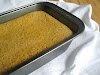
Cornbread with Brown Rice

cornmeal rice bread

I've made several different types of cornbread over the years, but my basic yet classic preparation of cornbread always seems to remain a favorite with my husband and best friend Basil. There is nothing to it really expect the exceptional flavor of cornmeal with a tiny bit of sweetener which isn't even needed. I switched things up this time around though and included some cooked brown rice for added nutrition and substance. The nutty flavor of the rice was especially appealing and complementary to the grainy cornmeal.

This bread is excellent just smothered with butter or as an accompaniment to any meal, especially ones featuring soups and stews. Simplicity is bliss in this instance.

cornbread with brown rice

Cornbread with Brown RiceCornbread with Brown Rice
Recipe by
Published on September 29, 2014

Classic yellow cornbread cooked with brown rice for a nutty and filling experience

Print this recipePrint this recipe

Ingredients:
  • 3 cups yellow cornmeal
  • 1 cup pastry flour
  • 1 cup cooked brown rice (1/3 cup uncooked)
  • 2 tablespoons coconut sugar (optional)
  • 1/2 teaspoon sea salt
  • 3 tablespoons sesame oil
  • 2 1/2 to 3 cups water
Instructions:
  • Preheat an oven to 325° and grease a 9 x 5 inch loaf pan with oil.

  • In a large bowl, combine the cornmeal, flour, brown rice, sugar if using, and salt. Rub the oil in with your hands. Gradually stir in the water until the mixture resembles a thick cookie dough.

  • Heat the prepared loaf pan until hot but not smoking. Transfer the batter to the pan and bake for 30 minutes. Increase the heat to 350° and bake for another 50 to 60 minutes or until the bread begins to brown and small cracks form on the top of the loaf.

  • Let the bread cool in the pan on a wire rack for 15 minutes. Gently invert the loaf onto the wire rack and let cool for another 30 to 40 minutes. Cut into slices and serve.

Makes 1 9-inch loaf or 8 to 10 slices

cornbread with brown rice

Other recipes with cornmeal to try from Lisa's Kitchen:
Crusted Cornmeal Chickpea Potpie
Corn Cakes with Blue Cheese and Honey
Jalapeño Spoon Bread
Blue Cornmeal Bread with Goat Cheese, Sun-Dried Tomatoes and Jalapeños

On the top of the reading stack: browsing the stacks

Audio Accompaniment: Puzzle Muteson

الأربعاء، 19 فبراير 2014

Green Mango Coconut Chutney

Mango Coconut Chutney

This easy and attractive chutney was made up to go along with curried quinoa and wild rice savory cakes. Bold and assertive, with a layering of intriguing sweet, tart and peppery flavors from the mango, coconut, fresh orange and lime juices, dried apricots, chilies and cilantro, this a refreshing accompaniment to Indian savories. Also consider serving alongside basmati rice and a soup or dal curry for a most satisfying meal.

I've made this chutney before, but last time I used ripe red mango rather than the unripe green mango used here. I enjoyed both versions, but this one is less sweet and somewhat more tart. Delicious either way. It's essentially uncooked, as the only "cooking" is the quick frying of brown mustard seeds.

Green Mango Coconut ChutneyGreen Mango Coconut Chutney
Recipe by
Adapted from Lord Krishna's Cuisine: The Art of Indian Vegetarian Cooking
Cuisine: Indian
Published on February 19, 2014

Vibrant and refreshing, slightly sweet and slightly tart green mango and coconut chutney

Print this recipePrint this recipe

Ingredients:
  • 2 medium unripe green mangoes (2 lbs or 900 g), peeled and shredded
  • 1/3 cup dried shredded unsweetened coconut
  • 2 tablespoons diced dried apricots
  • 1 tablespoon fresh orange juice
  • 1 tablespoon fresh lime juice
  • 1 teaspoon sea salt, or to taste
  • 1/2 teaspoon cayenne
  • 1/2 teaspoon paprika
  • 2 fresh green chilies, seeded and finely chopped
  • 2 tablespoons sesame oil or coconut oil
  • 1 teaspoon brown mustard seeds
  • 1/4 cup fresh cilantro, finely chopped
Instructions:
  • In a large bowl, combine the shredded mango, coconut, apricots, fruit juices, salt, cayenne, paprika and green chilies. Cover the bowl and marinate for 1 hour.

  • Heat the oil in a small saucepan over medium heat. When hot, add the mustard seeds and fry for 30 to 60 seconds or until they turn grey and begin to splutter and pop. Pour into the chutney and stir in the cilantro.

  • Serve right away or cover and refrigerate and use within 1 to 2 days. Stir before serving.

Makes 1 1/2 to 2 cups

Mango Coconut Chutney with Wild Rice Quinoa Cakes

Other chutneys you are sure to enjoy:
Fresh Tomato Chutney
Chunky Cashew Tamarind Chutney
Roasted Toor Dal and Tamarind Chutney
Tamarind Chutney with Coconut, Mint and Parsley

On the top of the reading stack: various volumes, the newspaper, cookbooks and food magazines

Audio accompaniment: Paul Kalkbrenner

الجمعة، 22 نوفمبر 2013

No-Bake Coconut Oil Fudge

coconut oil fudge

I know that when most of us think of fudge, we don't think of it as necessarily being the most healthy treat, but in this case I assure you that it is. Just the goodness of coconut oil, coconut milk, raw honey, unsweetened cocoa and some vanilla with a dash of almond extract.

I've been looking for a way to incorporate more coconut oil into my diet other than just cooking with it and this recipe is key here. Just a few nibbles throughout the day and I'm getting a decent dose of this wonderful oil that has a multitude of health benefits. For a while, I tried putting some on my toast with some jam, but that just didn't do it for me. This is much tastier.

I stumbled across the recipe at The Sweet Plantain and didn't wait long before trying it. I was going to incorporate some peanut butter for a protein boost, but decided against it because I wanted to taste it with just a few heaps of cocoa and some flavoring. I'm glad I did and I suspect that I will be exploring the possibilities in the near future. Visions of mint dance in my head and maybe even dried fruit for a chunkier version.

My only complaint was my ingredients were a bit too hard because my kitchen is cold, but that has nothing to do with the recipe — the coconut oil was a bit of a pain to scoop out and my honey was rather hard too. It was worth the effort though. If you are working with colder ingredients, you just have to work with them more to get a smooth consistency.

No-Bake Coconut Oil FudgeNo-Bake Coconut Oil Fudge
Recipe by
Adapted from The Sweet Plantain
Published on November 22, 2013

Simple and healthy no-bake cocoa fudge with coconut oil and raw honey, like fudgey bites of chocolate ice cream

Print this recipePrint this recipe

Ingredients:
  • 1 cup extra virgin coconut oil
  • 1/4 cup coconut milk
  • 1/4 to 1/3 cup unsweetened cocoa powder
  • 1/4 cup raw honey or other liquid sweetener
  • 1 1/2 teaspoons pure vanilla extract
  • 1/2 teaspoon pure almond extract
  • pinch of sea salt
Instructions:
  • Line a standard 9- or 10-inch loaf pan with waxed paper or parchment paper, leaving a bit of overlap on the sides of the pan. Set aside.

  • In a large bowl, combine the coconut oil and milk. Using an electric hand blender or stand mixer, beat on high speed until the mixture is creamy and smooth — about 5 to 7 minutes.

  • Add the cocoa, honey, vanilla, almond extract and salt, and beat until everything is incorporated and smooth.

  • Transfer the mixture to the prepared loaf pan and smooth out with a spatula. Place in the freezer for about 30 minutes, until just set.

  • Lift the fudge out of the pan using the lining paper and turn out onto a cutting board. Discard the paper and use a sharp knife to cut into small 1/2- to 1-inch pieces. These will keep just fine in the freezer for a few months, though it is doubtful they will last that long.

Makes 25 to 30 pieces

coconut oil cocoa fudge

More healthy indulgences you are sure to enjoy from Lisa's Kitchen:
Cherry Nut Bars
Chia Seed Pudding
Chocolate Cocoa Brownies with Dried Cranberries and Chickpea Flour
Cocoa Fruit Treats

What's with sharing my current on the top of the reading stack and audio accompaniment, some may ask? Well, I'm a private soul and this is simply a glimpse into other mechanisms at play in addition to the food.

On the top of the reading stack: sorting through the piles and checking out the newest Food and Drink Magazine

Audio Accompaniment: Tom Opdahl - Black Smoker